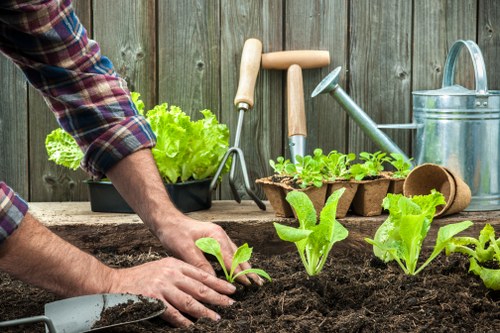
Gardener Highbury — Recycling and Sustainability
Welcome to Gardener Highbury's page on recycling and sustainability. Our approach centres on creating an eco-friendly waste disposal area and a sustainable rubbish gardening area that supports local biodiversity, reduces landfill and models low-impact garden practice. We combine borough-friendly waste separation with on-site composting, dedicated material stores, and clear signage so teams and visitors understand how to sort garden waste, packaging and food scraps. This page outlines our targets, local logistics, charity partnerships and the low-carbon transport we use to keep operations green.We set an ambitious annual recycling percentage target to continuously improve. Our current aim is to recycle 75% of non-hazardous site waste within the year, moving to 85% within three years through better segregation and reuse. Targets cover organic garden waste, wood, metal, glass and mixed recycling streams. We work with borough schemes to align with the local authority's waste separation approach — including dry mixed recycling, glass collections and food waste streams — so materials collected on-site are accepted by local transfer stations and processing plants.
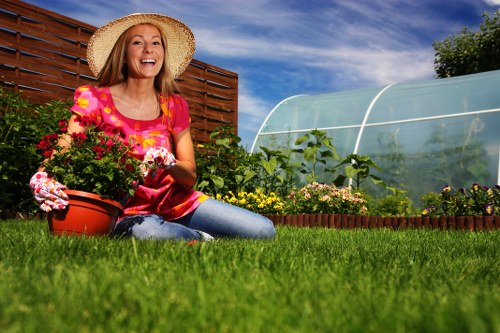 A practical part of our plan is the dedicated eco-friendly waste disposal area on-site: clearly marked bays for compostable green waste, wood and timber offcuts, soils and inert materials, plus a small covered area for sorted plastics and cardboard used in plant packaging. Our sustainable rubbish gardening area also includes a reuse rack where perfectly usable pots, trays and garden hardware are sterilised and offered to community projects. We emphasise repair, repurpose and redistribute before choosing disposal.
We maintain strong relationships with local transfer stations to ensure materials are handled correctly and counted toward our % targets. Key transfer points used by the team include borough-managed facilities and licensed private consolidators that accept garden waste, timber and recyclable packaging. These partners help turn site-collected materials into compost, mulch, chippings and recycled polymers rather than landfill. We publish our diversion rates and audit loads to prove material flows and to identify opportunities to increase the uptake of the sustainable rubbish gardening area model.
Community and Charity Partnerships
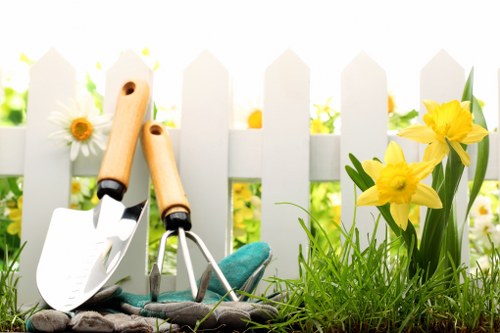
Gardener Highbury believes reuse amplifies impact. We partner with local charities and community allotments to donate surplus soil, topsoil, plant trays and gently used tools. Partnerships include community gardens, youth horticulture programmes and organisations that redistribute goods to those in need. These collaborations reduce waste collection volumes and support local social value. Our exchange system logs donations so we can report pounds of material redirected from waste to community use.On the operational side, we schedule regular on-site training so staff and volunteers follow the borough's waste separation rules: green waste in one stream, food scraps in dedicated bins, and dry recycling sorted for paper, card, metal and mixed plastics where accepted. We use clear labels, colour-coded containers and visual guides. Understanding the local authority's approach ensures high capture rates and reduces contamination, which helps us hit and exceed our recycling percentage target.
To reduce emissions from collection and deliveries, we operate a fleet of low-carbon vans and compact electric vehicles for in-area transfers. These low-carbon vans are used for moving materials to transfer stations, delivering donated items to charities and picking up reused supplies. We schedule multi-drop routes, use cargo bikes for short trips in pedestrianised Highbury streets where feasible, and monitor mileage to optimise routes that reduce fuel use and emissions associated with our waste logistics.
Materials and Activities We Recycle
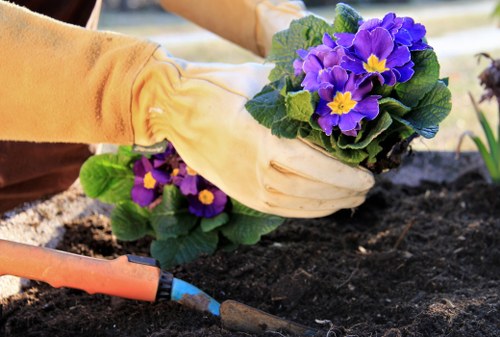
Typical recycling activity at Gardener Highbury includes:- Garden and green waste: shredded into mulch or composted on-site
- Wood offcuts and pallets: reused, chipped or sent to timber recyclers
- Plastics and packaging: sorted according to borough guidance
- Glass and ceramics: separated where local streams accept them
- Metal and ferrous items: collected for scrap and recycling
 Measuring success is core to our sustainability plan. We track tonnes diverted from landfill, percentage recycled, number of charity donations and vehicle emissions reductions. Each quarter we review progress against the recycling percentage target, contamination rates and vehicle miles to refine operations. Our goal is a resilient, community-centred approach to waste that proves an eco-friendly waste disposal area and a thriving sustainable rubbish gardening area can coexist in an urban borough setting while supporting local reuse initiatives and low-carbon logistics.