Highbury garden recycling and composting for local gardeners
If you garden in Highbury, you already know the rhythm of it: a tidy spring cut-back, a summer of pruning and deadheading, then the slow build-up of grass clippings, leaves, twigs and spent plants that seem to appear from nowhere. Highbury garden recycling and composting for local gardeners is the practical, low-waste way to turn that material into something useful again. Instead of bagging everything up and treating it as a problem, you can keep nutrients in the garden, reduce haul-away waste, and build healthier soil over time. That is the simple idea. The trick is doing it well.
This guide walks through how it works, what to keep out, what to compost, when to call in help, and how local gardeners can make the whole process cleaner, easier and more reliable. We will also look at common mistakes, useful tools, and the kind of decisions that make a real difference in a London garden, where space is tight and timing matters. Truth be told, composting looks easy until the heap gets too wet, too dry, or full of the wrong stuff. Then it gets... interesting.
Table of Contents
- Why Highbury garden recycling and composting for local gardeners Matters
- How Highbury garden recycling and composting for local gardeners Works
- Key Benefits and Practical Advantages
- Who This Is For and When It Makes Sense
- Step-by-Step Guidance
- Expert Tips for Better Results
- Common Mistakes to Avoid
- Tools, Resources and Recommendations
- Law, Compliance, Standards, or Best Practice
- Options, Methods, or Comparison Table
- Case Study or Real-World Example
- Practical Checklist
- Conclusion
- Frequently Asked Questions
Why Highbury garden recycling and composting for local gardeners Matters
Highbury gardens tend to be varied: compact back gardens, shared spaces, front plots, courtyard planting, and the occasional bigger patch that needs regular upkeep. That variety is exactly why recycling green waste and composting it on-site matters so much. You are rarely dealing with huge, uniform amounts of material. More often, it is a mix of lawn clippings, hedge trimmings, leaves, soft stems, and the odd woody branch that needs sorting properly.
Composting helps local gardeners keep control of that material instead of letting it pile up in bags or skip hire loads. It also supports healthier planting because compost improves soil structure, helps retain moisture, and gives the garden a more steady supply of organic matter. In a city garden, where the soil is often compacted, thin, or patchy, that matters more than people realise.
There is also a simple practical reason. Less waste leaving the site usually means less mess around the property, fewer trips to dispose of garden debris, and a nicer working routine overall. If you have ever stared at three sacks of wet leaves after a rainy afternoon and wondered where they are supposed to go, you will know the feeling.
For many people, this topic also connects with wider garden care. Regular composting sits neatly alongside garden maintenance, while larger clear-outs may need garden clearance support. When the process is planned properly, the garden becomes easier to maintain, not harder.
Expert summary: The best garden recycling systems are simple, repeatable and suited to the space you actually have. In Highbury, that usually means a compact compost setup, a clear sorting routine, and a sensible approach to woody waste.
How Highbury garden recycling and composting for local gardeners Works
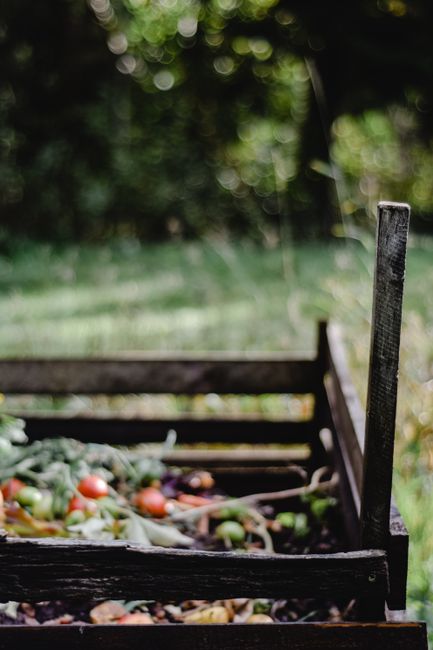
At its heart, composting is controlled decomposition. Organic garden waste breaks down with the help of moisture, air, microbes and time. The end result is a crumbly, dark material that can be used to improve beds, borders and containers. Garden recycling is the broader process of separating reusable organic material from waste that needs a different route.
In practical terms, the job starts with sorting. Not everything from the garden belongs in the compost heap. Soft green waste like grass clippings, flower heads and young prunings can usually be composted. Tough, woody material breaks down more slowly and may need shredding, chipping, or removal depending on quantity. Diseased plants, persistent weeds with seeds, and non-organic waste should be kept out.
Most local gardeners work with one of three approaches:
- Simple composting: a heap or bin for suitable green waste and kitchen scraps, managed by turning and balancing materials.
- Mixed green-waste recycling: composting the soft material while separating heavier branch waste for chipping, mulch, or disposal.
- Professional collection support: useful after major pruning, seasonal cut-backs, hedge work, or a full tidy-up.
In a typical Highbury setting, the process is less about large agricultural-style composting and more about efficient garden housekeeping. You collect waste as you go, keep the right materials separate, and decide quickly what can be reused and what should be removed. Small decisions here make a big difference later.
If the job has involved overgrown borders, hedge reductions or tree work, it often helps to combine composting with services such as hedge trimming or, where needed, tree lopping and removal. That keeps the site manageable and avoids leaving a mountain of debris at the end of the day.
Key Benefits and Practical Advantages
Good recycling and composting does more than reduce waste. It changes the way the garden performs and how easy it is to look after. The benefits are immediate in some cases, slower-burning in others, but they add up.
- Healthier soil: compost adds organic matter, which supports soil life and helps clay or tired soil behave better.
- Better moisture retention: useful in summer when containers and beds dry out faster than you would like.
- Lower waste volumes: less bagging, fewer removals, less clutter round the side passage or shed.
- Reduced costs over time: if you reuse materials well, you often need less imported mulch or bagged compost.
- Cleaner garden routines: regular sorting keeps jobs smaller and less stressful.
- More sustainable gardening: organic material stays in the cycle rather than being treated as rubbish.
There is a quieter benefit too. Gardens simply feel better when waste is handled properly. Beds look cared for, paths stay clearer, and the place has that calm, intentional look that people notice as soon as they step outside. Even on a grey afternoon, it makes the space feel more ordered.
For properties that combine planted areas with hard landscaping, the impact can be even more noticeable. A well-kept planting area next to a terrace or a newly finished outdoor space can make the whole garden feel finished. If that is part of your longer-term plan, the broader landscape gardening and landscaping work around the garden becomes easier to manage too.
Who This Is For and When It Makes Sense
This approach suits a wide range of local gardeners, but it is especially useful if your garden produces regular organic waste and you want to keep things tidy without constant removals. You may find it particularly helpful if you:
- look after a small or medium London garden and want to make the most of every bit of space;
- do your own pruning, mowing and border maintenance;
- want to reduce the amount of waste leaving the property;
- prefer a more sustainable gardening routine;
- need a practical plan after a seasonal tidy-up or larger cut-back;
- are managing shared outdoor space where tidiness matters to neighbours.
It makes sense after spring tidying, post-summer deadheading, autumn leaf fall, hedge cutting, lawn care, or any job that produces a mix of soft green waste and bulkier cuttings. If you only prune lightly once or twice a year, a simple home compost setup may be enough. If your garden is heavily planted, mature, or overgrown, you will probably need a more structured approach.
To be fair, not every gardener needs to become a compost obsessive. Some people just want the right bin in the right place and a clear system for what goes where. That is fine. The aim is usefulness, not perfection.
Step-by-Step Guidance
A tidy composting system is usually built in stages. Nothing fancy. Just sensible steps done consistently.
- Start by sorting the waste. Separate soft green material from woody cuttings, invasive weeds, and non-organic debris. Even a few minutes of sorting saves a lot of trouble later.
- Decide what stays and what goes. Compost usable material, chip or mulch woody material where appropriate, and remove anything contaminated or diseased.
- Build the compost mix. Aim for a balance of wetter green material and drier brown material like shredded stems, paper-based garden waste, or dry leaves. If the mix is too soggy, it turns smelly fast. Nobody wants that.
- Keep air moving through the pile. Turn the heap occasionally or use a structure that allows ventilation. Compost needs oxygen; otherwise it starts sulking.
- Watch the moisture level. It should feel damp like a wrung-out sponge, not waterlogged or dusty.
- Add material steadily. Regular small additions work better than dumping everything in one giant, compact heap.
- Use finished compost wisely. Spread it on beds, mix into borders, or use it as a soil improver rather than burying it too deep.
If the waste stream is more complex, for example after trimming dense hedges or clearing a long-neglected border, it can be worth combining composting with a broader garden tidy. That may include lawn mowing for the grassy areas and a fuller seasonal reset so that your composting system does not become overloaded.
A useful rule of thumb: composting should fit the way you garden, not the other way round. If you only have a small patio or yard, use a compact bin or insulated system. If you generate more material than your compost can comfortably handle, separate and reduce it before you add it in. Simple, but it works.
Expert Tips for Better Results
After enough garden clearances and routine maintenance jobs, patterns start to show. The compost heaps that work best are rarely the biggest ones. They are the best balanced ones.
- Chop or shred larger material first. Smaller pieces break down faster and take up less room.
- Layer different textures. Mix soft material with dry, fibrous material so the heap does not collapse into a wet lump.
- Keep a small collection caddy or bucket by the work area. It saves repeated trips and helps you sort as you go.
- Cover the heap if rain is persistent. London weather has opinions, as you know, and a compost bin can get soggy quickly.
- Do not overload with grass clippings. A thick layer compacts and blocks air. Thin layers are much better.
- Use leaves well. Dry leaves are excellent as a brown material and can help balance wetter waste.
- Keep composting near the garden work flow. If the system is tucked away awkwardly, people stop using it properly.
One small but important observation: if compost smells sharply unpleasant, something is out of balance. Usually it is too wet, too dense, or contains material that should not be there. You do not need to panic. Just correct the mix. It happens.
Another practical tip is to think in zones. A border pruning session, a hedge job, and a lawn tidy all produce different waste. If you sort each zone as you finish it, the whole garden stays calmer and the final pile is much easier to process.
Common Mistakes to Avoid
The biggest composting problems are usually boring ones: too much of one thing, not enough air, or the wrong waste in the wrong place. That sounds simple, and it is, but those mistakes are common for a reason.
- Adding diseased plants. This can spread problems back into the garden when the compost is reused.
- Throwing in weeds with seeds or invasive roots. Some material is too persistent to trust in a home heap.
- Leaving large woody pieces whole. They take much longer to break down and can dominate the heap.
- Making the pile too wet. A saturated heap goes anaerobic and starts smelling bad.
- Making the pile too dry. Dry compost just sits there, looking hopeful and doing very little.
- Ignoring the size of the site. What works in a large garden may be awkward in a narrow Highbury back space.
- Trying to compost everything. Not everything belongs in the compost. Some waste needs removal or separate handling.
A lot of people also underestimate the value of regular maintenance. Composting is easier when linked to a routine, and not treated as a once-a-year job. That is where ongoing garden maintenance really helps. Small, steady effort beats heroic clear-ups every time.
And yes, it can be tempting to just fling everything into one heap and hope for the best. We have all done some version of that. The heap knows.
Tools, Resources and Recommendations
You do not need a warehouse of equipment to do this well. In fact, too much gear can make things more complicated than they need to be. The essentials are simple.
| Tool or Item | Best Use | Why It Helps |
|---|---|---|
| Compost bin or heap enclosure | Holding organic waste in one place | Keeps the area tidy and makes turning easier |
| Hand fork or garden fork | Turning and aerating compost | Improves airflow and speeds up breakdown |
| Pruners or loppers | Reducing twig and stem size | Helps waste break down faster |
| Wheelbarrow or trug | Moving material around the garden | Makes sorting and transport less messy |
| Garden gloves | General handling | Keeps your hands protected and cleaner |
| Shredder or chipper | Processing woody material | Useful when there is a lot of hedge or branch waste |
For many local gardeners, the smart option is not to buy every tool at once. Start with a fork, container, and a simple sorting routine. If you regularly deal with heavier waste, then a shredder or a service-based solution may make sense. No need to overcomplicate it.
Where waste is too bulky, awkward or contaminated for home composting, it may be better handled as part of a wider waste removal visit. If you are reviewing options, the company's recycling and sustainability approach is a useful place to understand how greener handling fits into broader garden work. You can also explore the full services overview if you are planning several jobs together.
Law, Compliance, Standards, or Best Practice
For domestic gardeners, the main compliance issue is simple: you should manage garden waste responsibly and avoid creating a nuisance, hazard or contamination problem. You do not need to turn composting into a legal project, but there are sensible standards to keep in mind.
In the UK, best practice generally means separating garden waste from non-organic waste, keeping potentially harmful material out of home compost, and ensuring anything removed from site is dealt with through appropriate, lawful channels. If you are hiring help, it is reasonable to expect clear handling of waste, safe working methods, and transparent arrangements for disposal or recycling. That links naturally with a company's health and safety policy and insurance and safety standards.
For local gardeners, another practical point is neighbour awareness. Compost bins should be placed sensibly, with attention to odour, access and drainage. Wet, rotting material stored badly can become a nuisance. Nobody wants that tucked beside a shared fence in August.
If you are commissioning work, it is worth checking the provider's terms, payment approach and general process so expectations are clear. Useful background can often be found on pages such as terms and conditions and payment and security. And if you need to discuss a project, you can use the site's contact page.
One more thing: if waste includes a tree that needs professional attention, disposal and safety become more important. In that case, the right route may be support from tree lopping and removal rather than trying to process everything at home.
Options, Methods, or Comparison Table
There is no single correct method. The best option depends on space, waste volume, time and how hands-on you want to be.
| Method | Best For | Pros | Trade-offs |
|---|---|---|---|
| Home compost heap | Regular small-to-medium garden waste | Low cost, easy to start, useful compost output | Needs space, balance and occasional turning |
| Enclosed compost bin | Smaller gardens or tidy sites | Neater appearance, better heat retention | Less room for bulky material |
| Mulching and chipping | Woody cuttings and pruning waste | Fast reuse as surface mulch | May need specialist equipment |
| Collection and clearance support | Large cuts, overgrown gardens, busy households | Fast, tidy, convenient | Less on-site reuse, depends on service planning |
For most Highbury gardens, a hybrid approach works best: compost the soft material, mulch the useful woody cuttings, and remove what is too much or too awkward. That mix gives you flexibility without cluttering the garden with half-finished systems.
If you are planning a larger tidy-up, it can be worth combining recycling with wider work such as lawn mowing or structural improvements. That way the green waste is dealt with once, properly, instead of being passed around the garden in three different piles. Not glamorous, but practical.
Case Study or Real-World Example
Imagine a modest Highbury back garden after a season of steady growth. There is a lawn edging that needs cutting, a hedge that has put on more growth than expected, and borders full of spent stems and dry leaves. Nothing dramatic, just the kind of job that quietly builds up until the garden starts to feel tired.
The first step is sorting. Grass clippings go into a compostable pile in thin layers. Soft perennial cuttings are chopped back a little and added alongside drier leaf material. The hedge trimmings are checked for thickness; thin, green material can join the heap, while thicker woody sections are set aside for chipping or removal. Any diseased plant material is kept out completely.
After that, the garden is reset. The compost area is covered so rain does not flood it. The remaining space looks cleaner straight away. There is less waste stacked by the fence, fewer bags waiting for collection, and a better sense of order. In the following weeks, the compost begins to settle, warm slightly, and break down into usable material.
It is not a dramatic transformation. That is the point. The benefit comes from steady, unflashy habits. A little sorting here, a little reuse there, and the garden gradually becomes easier to manage. That is the real win.
Practical Checklist
Use this checklist before, during, or after a garden tidy-up.
- Separate soft green waste from woody cuttings.
- Remove diseased material and invasive weeds from the compost stream.
- Keep compost slightly damp, not wet.
- Add dry material to balance grass clippings and other soft waste.
- Turn or aerate the heap when it starts to compact.
- Keep the compost area accessible and tidy.
- Shred or cut larger stems before adding them.
- Use finished compost on beds, borders or as a soil improver.
- Plan for seasonal surges in leaves, pruning and hedge work.
- Arrange professional help if the volume becomes too large to manage sensibly.
If your garden has become a bit much, that is usually a sign to simplify the system rather than abandon it. Small, tidy routines beat big, messy intentions. Every time.
Get a free quote today and see how much you can save.
Conclusion
Highbury garden recycling and composting for local gardeners is not about chasing perfection. It is about handling garden waste in a way that feels sensible, tidy and environmentally minded without making life harder than it needs to be. When you sort materials properly, keep the compost balanced, and match the method to the size of the garden, the whole process becomes much more manageable.
For some people, that means a small compost bin and a weekend routine. For others, it means combining composting with maintenance, trimming, or a larger clearance so the garden can get back on its feet. Either way, the payoff is real: healthier soil, less waste, and a space that feels looked after. And honestly, that feeling of stepping outside and seeing a garden that is under control? Hard to beat.
Take it one season at a time, keep it simple, and let the garden give something back.
Frequently Asked Questions
What can I put into a garden compost heap in Highbury?
Most soft green garden waste works well, including grass clippings, flower heads, small prunings, leaves and chopped plant material. Dry material helps balance the heap. Avoid diseased plants, invasive weeds with seeds, and anything non-organic.
Can I compost hedge trimmings and woody cuttings?
Yes, but smaller pieces break down much more effectively. Thin hedge trimmings can often be composted, while thicker woody branches usually need shredding, chipping or separate removal.
How do I stop my compost from smelling bad?
Bad smells usually mean the heap is too wet, too compact, or contains the wrong material. Add dry brown material, turn the pile to bring in air, and check for anything that should not be there.
Is composting useful in a small London garden?
Very much so. In smaller gardens, a compact bin or tidy enclosure can recycle a surprising amount of waste while keeping the space neat. You do not need a huge setup to make it worthwhile.
What should I do with diseased plants?
Do not add them to a home compost heap unless you are certain the process is suitable and reliable, which is rarely the case for domestic gardens. Keep them separate and handle them through an appropriate removal route.
How often should I turn compost?
There is no fixed rule, but occasional turning helps keep air moving through the heap and speeds up decomposition. If the compost starts to compact or feel damp and heavy, it probably needs attention.
Do grass clippings help or harm compost?
They help when used in thin layers and balanced with drier material. Too many at once can compact into a soggy mass, which blocks air and slows the process down.
When should I choose garden clearance instead of composting everything?
Choose clearance when the waste volume is too large, too mixed, or too awkward to manage safely on site. After major pruning, an overgrown season, or a full tidy-up, a combined approach is often the sensible one.
Can compost improve poor soil in raised beds or borders?
Yes. Finished compost can improve soil structure, help with moisture retention, and add organic matter that supports healthier planting. Use it as a soil improver rather than burying it too deeply.
What is the easiest composting method for beginners?
An enclosed bin with a simple mix of green and brown waste is often the easiest starting point. Keep it damp, add material gradually, and avoid overloading it with grass or wet clippings.
How do I know if my garden waste should be reused or removed?
If the waste is clean, organic and easy to break down, it is usually a good candidate for composting or mulching. If it is bulky, diseased, woody, contaminated or simply too much for your space, removal is often the better option.
Can I combine composting with regular garden maintenance?
Absolutely, and that is usually the best way to do it. Regular maintenance keeps waste volumes under control, which makes composting cleaner and more effective. It also stops the garden from reaching that messy, overwhelming stage nobody enjoys.